
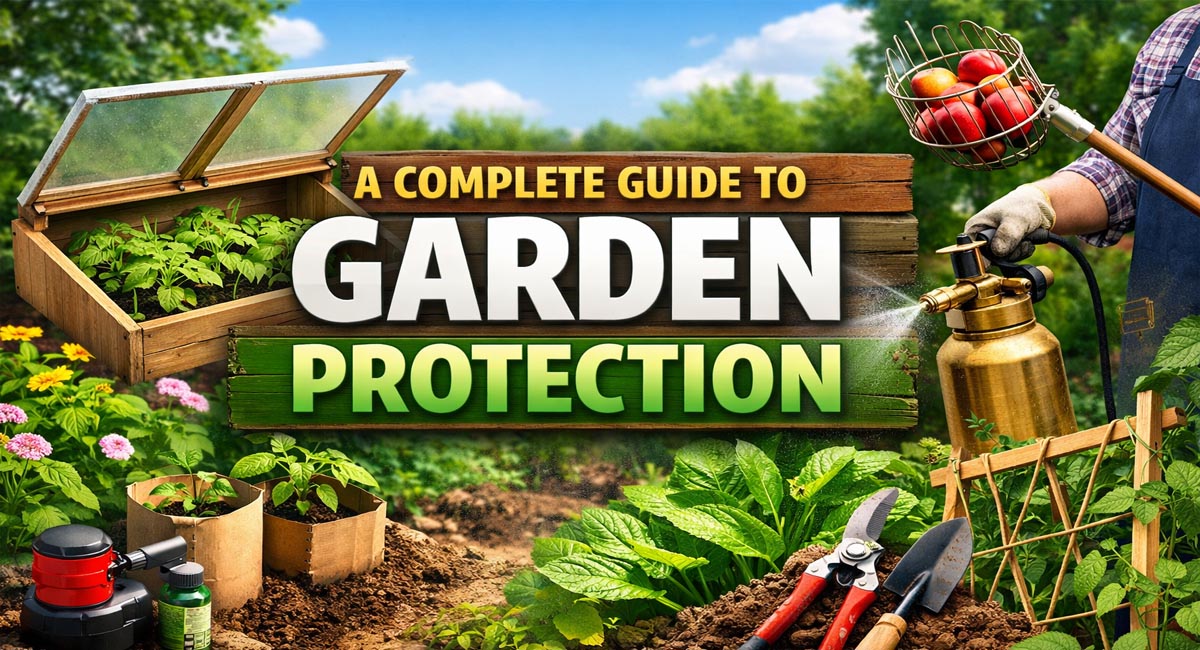
Fighting Plant Enemies: A Complete Guide to Garden Protection Tools, Techniques, and Smart Investment
Thank you for reading this post, don't forget to subscribe!Gardening is one of the most rewarding activities a person can pursue, but it is also a constant battle against plant enemies. These enemies include insects, fungi, pests, and even environmental threats such as cold weather and soil disturbances. Successful gardeners understand that healthy plants rarely happen by accident. Instead, they result from careful planning, proper tools, and protective strategies that keep threats under control. If you want a thriving garden, understanding how to defend your plants is just as important as knowing how to grow them.
This guide explores the essential tools, equipment, and practices used to protect plants from harm. It also explains how to choose the right implements, how to use them effectively, and why investing in quality tools is one of the smartest decisions a gardener can make.
Understanding Plant Enemies
Plant enemies come in many forms. Insects chew leaves, bore into stems, and suck sap. Fungi cause rot, mold, and disease. Soil pests attack roots, while weather extremes stunt growth or kill seedlings. Even small threats can devastate crops if left unchecked. Therefore, gardeners must use both preventive and active methods to safeguard their plants.
Protective measures fall into two main categories:
Mechanical protection tools – physical barriers that shield plants from pests and harsh conditions.
Application equipment – tools used to apply insecticides, fungicides, and protective sprays.
Both categories play an essential role, and a well-equipped gardener usually relies on a combination of each.
Mechanical Protection: Physical Barriers That Work
One of the most effective ways to defend plants is by physically preventing pests from reaching them. Mechanical protection methods are simple, reliable, and often reusable.
Covered Frames
Among the most useful protective devices is the covered frame. Typically built as a wooden box about eighteen inches to two feet square and roughly eight inches high, it is covered with glass, cloth, or mesh. These coverings serve several purposes:
Protection from insects
Shielding from cold temperatures
Creating a warm microclimate for early planting
Glass or cloth coverings trap heat, allowing gardeners to plant crops earlier in the season than would normally be safe. This method is especially popular for vine vegetables such as cucumbers and melons, which thrive in warm conditions but are vulnerable to frost. By using covered frames, gardeners can extend their growing season and enjoy earlier harvests.
Plant Collars
Newly planted seedlings are particularly vulnerable to soil pests like cutworms. A simple but highly effective solution is the use of plant collars. These are stiff rings made from materials such as tin, cardboard, or tar paper. The collar is placed around the stem and pushed about an inch into the soil.
This barrier prevents insects from reaching the tender stem at soil level, which is where most damage occurs. Plant collars are inexpensive, easy to make at home, and reusable if handled carefully.